
Three food and drink trends to watch in 2026: What brands need to know
To mark the New Year we’re taking stock of the hottest food and drink trends on the horizon - and crucially what they mean for PR opportunities, both for our clients and the wider industry.
And there's no better place to find out than straight from the source. We recently sat in on a Roxhill session where food and drink journalists revealed exactly what's set to dominate the headlines in the year ahead.
Here are three of the biggest trends that came up, and more importantly, where the real opportunities are for landing dream coverage...
Functional Drinks 2:0
The functional drinks movement is entering its second wave and it’s far more elevated than its kombucha and protein shake predecessors.
Borrowing heavily from LA’s Erewhon playbook, the “functional” drinks movement, the category blends wellness with luxury convenience. Think drinks that look stylish, taste premium and promise targeted benefits such as glow, focus, calm, clarity or energy. These drinks are no longer packaged with earthy labels or cartoonish fonts; instead, they embody quiet luxury, designed to look like they belong on a marble shelf.
The functional wellness market is projected to grow 9.5% between 2025 and 2028, with brands like Elevate already selling six figure volumes of smoothies within months of launching in the City. Other brands are jumping on it too: Soho House now offers brain boosting lattes, and Black Sheep Coffee recently rolled out lion’s mane drinks nationwide.
The interesting part is taste isn't the key driver here. People want to know how this can ‘better me, optimize me’ and they're willing to pay a premium price for it. The £15 smoothie is now a thing.
The PR opportunity: Journalists are hungry to hear from brands entering this space, but generic angles won't cut it. The storytelling needs to position functional drinks as wellness for the aesthetically minded or where science meets style. Show how your product fits into aspirational daily lifestyle rituals, not just dietary requirements.
Also, explore what this new trend means for economic habits and behavioural changes.
The Book Bar: Dining Beyond the Dining Room
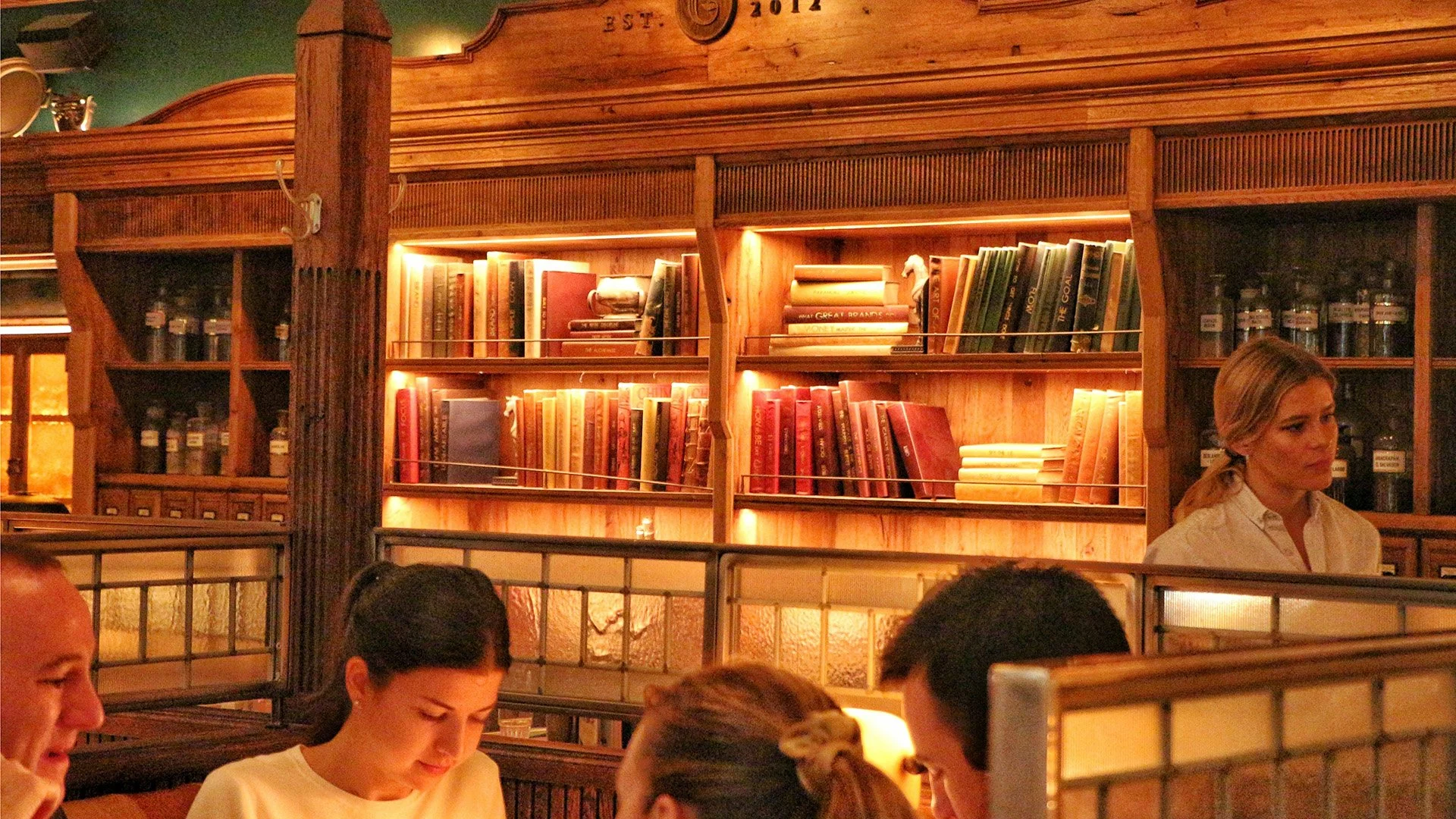
2026's hottest reservations won't be in traditional restaurants. Operators are abandoning conventional bricks-and-mortar sites to set up shop in cultural spaces like art galleries (Giorgio Locatelli’s new Locatelli at the National Gallery), theatres (Angela Hartnett’s Cicoria at the Royal Opera House), museums, and bookshops.
Book bars have been quietly popping up around the country this year, from the new Bookmonger in Glasgow to Wine in the Willows in Cambridgeshire, blending two worlds into one. They combine the charm of a bookshop with the energy of a cocktail bar.
The popularity of book bars soared after the legendary St John announced a collaboration with The London Review Bookshop, and Dua Lipa’s cultural oracle, Service 95, hosted a wine tasting session in BookBar, North London.
The trend signals a fundamental shift in how consumers want to experience food and drink as part of a broader cultural moment, not isolated from it.
Food and drink have almost become social currency, a new string to your bow that signals you're cultured. Brands need to explore what this means and create experiences and stories that truly resonate.
The PR opportunity:
Journalists are always looking for changes in patterns to how and where people are eating (and spending their money and time), and cross-industry collaborations. They want to hear from brands exploring or considering opening new types of spaces throughout the country, not just limited to London.
For suppliers, this trend also presents opportunities to launch events, test new products in cultural spaces, or create co-branded experiences.
GLP-1 Portions: Adapting to the Ozempic Era
The rise of GLP-1 medications is fundamentally changing how people eat. And its popularity will only increase next year.
It started with ‘OMAD’ (only one meal a day) appearing on dinner event dietary lists. Now London restaurants like Town are planning menus around GLP-1 users, offering half portions of puddings, smaller portions and mini drinks. Even some meal delivery services are marketing directly to this demographic.
The PR opportunity:
Media want to know how the industry is adapting, not tiptoeing around it. Are you innovating around portion sizes? Making premium dining more accessible through smaller, lower priced tasting formats? Rethinking value beyond volume?
Journalists are drawn to brands and personalities willing to discuss this shift head-on. The story they’re looking for is honest, and reflective of how customers truly live and eat today.
If you are a brand looking to navigate these evolving trends, Mercieca is perfectly placed to help you turn them into impactful PR stories. From functional wellness to experiential dining, we can craft narratives that resonate with both media and consumers and secure coverage in the right titles.
For more information contact: Frankie@mercieca.co.uk